Ayton

The name Ayton or "Eyetown" is derived from the River Eye which passes through and forms the port in Eyemouth. The red sandstone building of Ayton Castle was built in the Scots baronial style by architect James Graham.

Much of the interior fitments and furnishings remain faithful to the original design commissioned by the Mitchell-Innes family. yton Castle is open to the public in the summer and is well worth a visit.

View this 5 Image Gallery

ayton

Chirnside

Chirnside is a bustling hillside village beside the Tweed Valley with great views of the Cheviot Hills.

Ninewells house which was demolished in 1954 was home to many generations of Homes. During the Second World War it was used as as a hostel for Polish and Eastern European displaced persons and was at one point also used as a prisoner of war camp.

View this 3 Image Gallery

chirnside

Coldingham

Historically fishermen worked their boats from this beach at St Abbs whilst living at Fisher's Brae in Coldingham. They carried their fishing gear down the Creel Path (creel being the local name for a lobster pot).

The present priory of Coldingham dates back nine centuries to 1098 when it was established by King Edgar for Benedictine monks from Durham. English attacks have resulted in it being rebuilt twice since.

A good collection of images

View this 31 Image Gallery

BackContinue
coldingham

Cockburnspath

Cockburnspath was known as Kolbrand's Path in the 12th Century and is now known locally as Co'ath.

Steep sided and densely wooded ravines crossed by the Great North Road gave this area considerable military significance. The holder of Cockburnspath Tower was reputed to hold the key to the East March and therefore to the Kingdom of Scotland. It dates back to the 16th Century and is in the design of a typical Borders stronghold - Peel Tower.

View this 7 Image Gallery

BackContinue
copath

Eyemouth

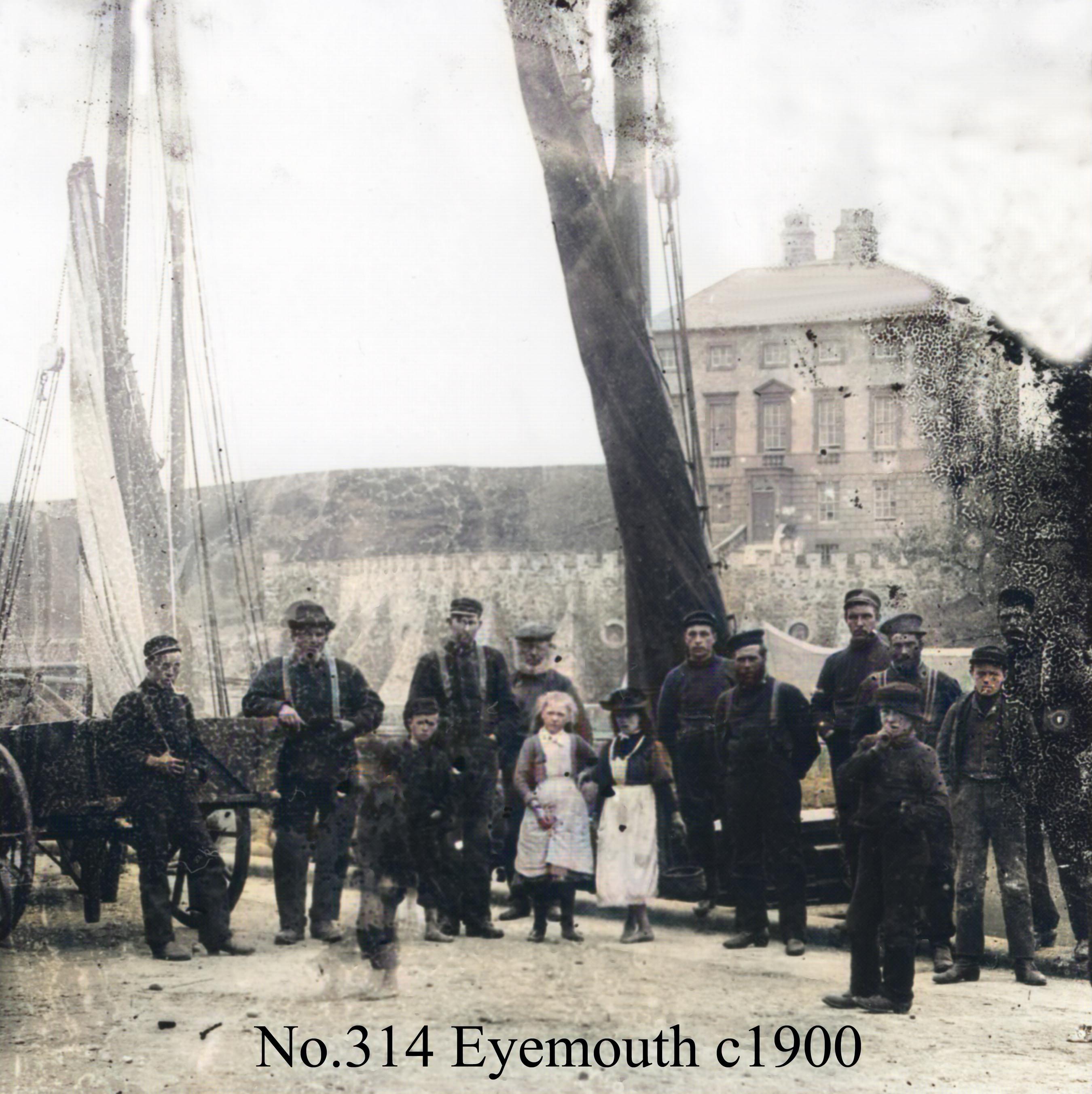
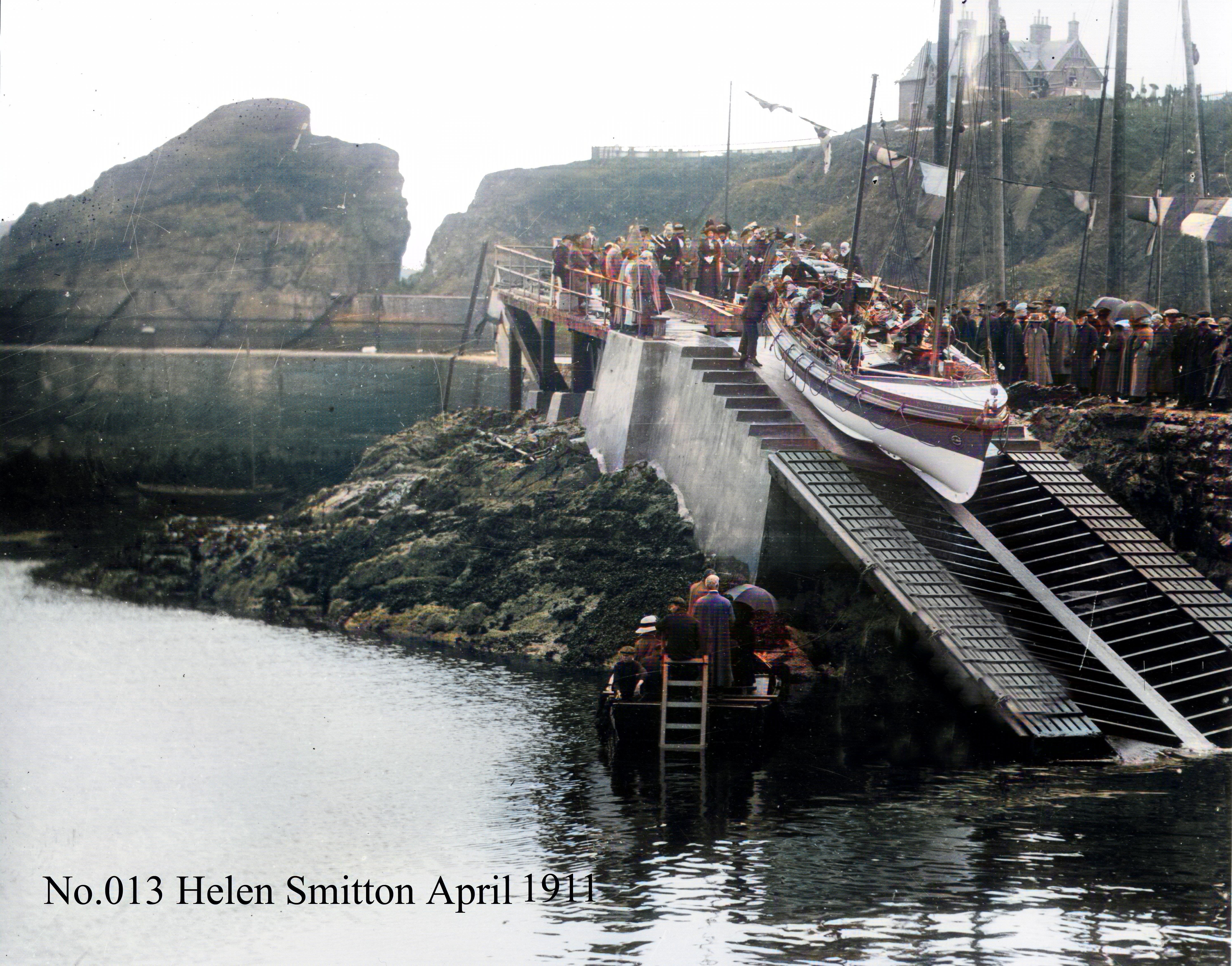
Eyemouth has been Scotland’s largest south-eastern port since 1482 when Berwick upon Tweed was lost to England. I

In the wars of the mid-16th century Fort Point was fortified twice; by the English in the 1540s and by the French several years later. Created a Burgh of Barony in 1597, Eyemouth is the largest town in Berwickshire and the river Eye's deep water is still ideal for landing boats.

The sights, sounds and smells of one of the busiest ports in Scotland show how important fishing still is to the town.

View this 5 Image Gallery

BackContinue
eyemouth

Reston

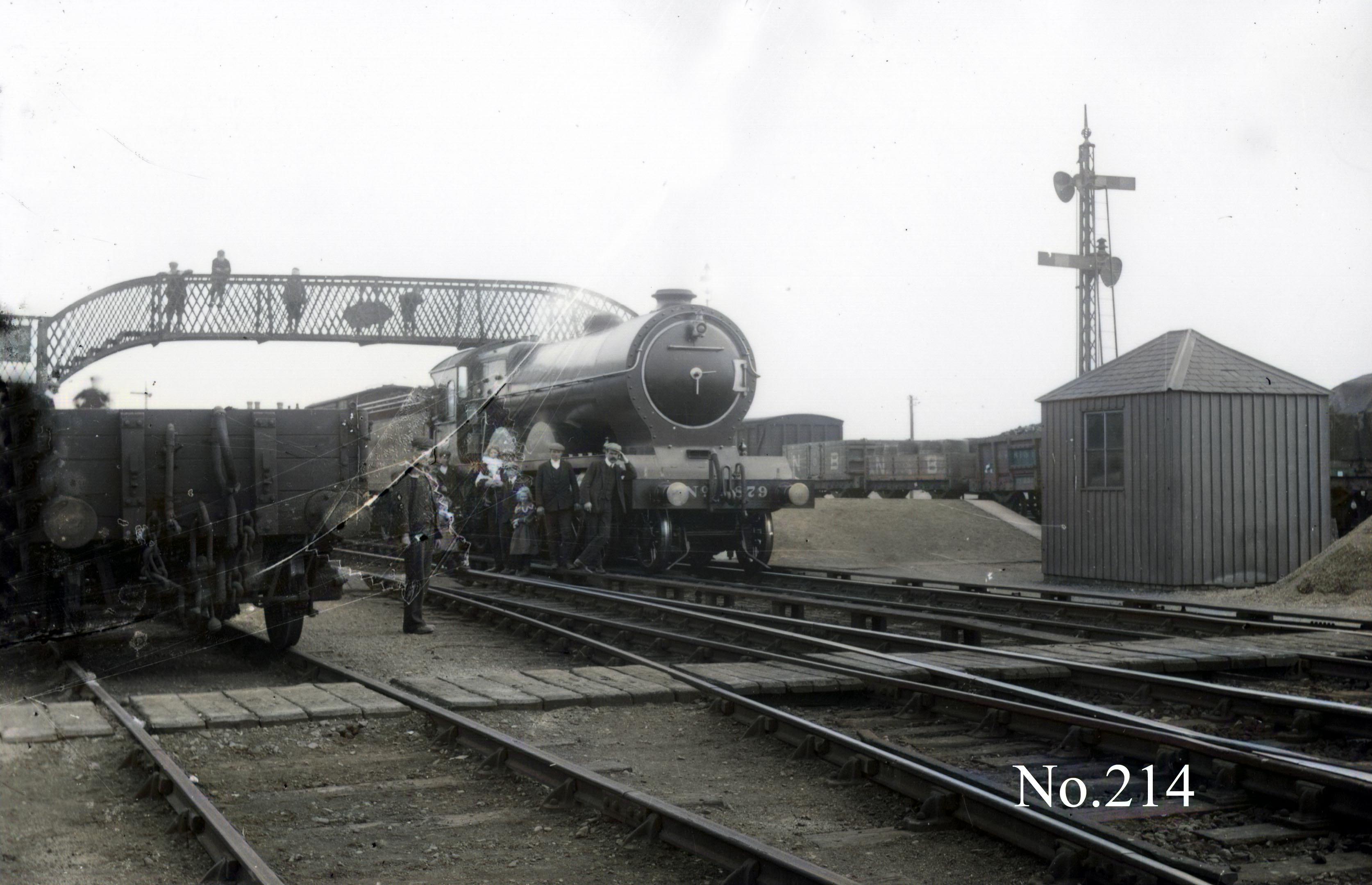
The village lies on the western bank of the Eye Water. Both the Berwickshire Railway and Reston station closed in the 1960s. However the reopening of Reston station was approved and construction began in March 2021

A study published in 2013 proposed that East Linton and Reston stations be reopened. Reston station re-opened on 23 May 2022 following completion of a £20m redevelopment

View this 11 Image Gallery

BackContinue
Coldingham Bay/Beach

St Abbs

St Abbs was originally called Coldingham Shore. St Abbs is a popular site for scuba divers. The sea around the village is unusually clear, in contrast to the more silt-laden coastal waters further to the north or south. These clear waters and the spectacular underwater scenery resulted in Britain's first Voluntary Marine Reserve being established at St Abbs. The Marine Reserve was established on 18 August 1984 by David Bellamy.

Shore diving to a depth of about 15 metres is possible from the rocks on the outside of the harbour wall. It is common for trainees to do initial sea dives here.

View this 20 Image Gallery

Back
st abbs